 We Are Hiring! Plumbers, CDL Drivers & Laborers


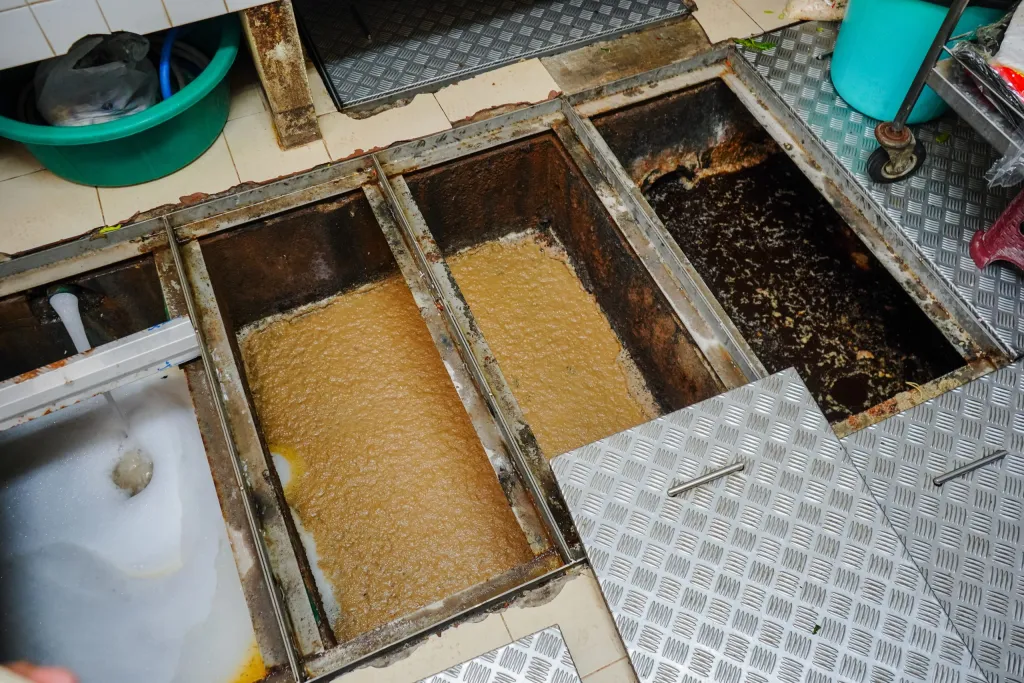
Skipping a grease trap pumping saves you a few hundred dollars this month. It feels like a small, smart cut. Then one Friday night during your busiest service, the drains back up, the kitchen floods, and you are closed for two days paying emergency rates to fix what routine maintenance would have prevented for a fraction of the cost. That is the real math of neglect, and it is never in your favor.
Grease trap and holding tank maintenance are the kind of unglamorous, easy-to-postpone tasks that quietly protect your business. Put them off and the cost does not disappear. It compounds, moving from a predictable bill into emergency repairs, health violations, and lost revenue. Downing Septic handles this maintenance on a schedule precisely so it never becomes the disaster that shuts you down. Here is what neglect actually costs.
What Happens When You Skip Grease Trap Pumping?
When you skip grease trap pumping, the trap fills past capacity and grease starts flowing straight into your sewer line, which is exactly what the trap exists to prevent. Once that happens, the damage begins downstream where you cannot see it.
Grease that escapes the trap cools inside your pipes, hardens, and builds up until water can no longer pass. The result is backups, slow drains, and eventually a full blockage. In a commercial kitchen, that means standing water, foul odors, and a line that stops working during service. The blockage did not appear overnight. It built up over every pumping you skipped.
A full or overflowing trap also produces smells that drift into your dining area, and it can leak. Neither is a good look with customers in the building or an inspector at the door. The trap only protects you while it has room to do its job.
How Does Neglect Turn Into an Emergency?
Neglect turns into an emergency because small buildup becomes a total blockage without warning, and blockages always seem to hit at the worst possible time. What could have been scheduled maintenance becomes a crisis call.
Here is how the costs stack up when maintenance gets skipped:
- Emergency service calls priced well above routine pumping
- Lost revenue from closing during repairs, often on a busy day
- Cleanup costs from backups and flooding inside the kitchen
- Damage to pipes and equipment that buildup causes over time
- Health code violations, fines, or a forced shutdown until you comply
That revenue loss is the number owners forget. A closed kitchen earns nothing while it is being cleared, and a Friday night closure can cost more in lost sales than a full year of scheduled maintenance. The emergency is not just the repair bill. It is everything the repair stops you from earning.
Why Do Holding Tanks Need the Same Attention?
Holding tanks need regular pumping because they collect waste continuously and have a fixed capacity, so a full tank has nowhere left to send anything. Ignore the schedule and the tank overflows or backs up into your building.
For properties on a holding tank rather than a municipal connection, this is not optional. The tank fills at a predictable rate based on your usage, and it must be pumped before it reaches capacity. Miss that window and you face backups, overflows, and the same emergency-rate scramble that a neglected grease trap creates. The difference is that a holding tank problem can affect your entire operation, not just the kitchen drains.
Regular pumping keeps the tank functioning and gives a service provider a chance to spot problems early, before a small issue becomes a failure. A tank monitored on a schedule rarely surprises you. A forgotten one eventually will.
How Does Scheduled Maintenance Actually Save Money?
Scheduled maintenance saves money by converting an unpredictable emergency into a small, planned expense you can budget for. The pumping still has to happen. Doing it on schedule is simply far cheaper than doing it in a panic.
Routine service costs a fraction of an emergency call, and it prevents the far larger costs that come with backups: cleanup, pipe damage, lost business days, and code violations. A provider who knows your system and your volume can set the right interval, so your trap and tank never reach the point of failure. You trade a surprise disaster for a line item you control.
There is a compliance benefit too. Many municipalities require documented grease trap maintenance, and staying on a schedule keeps you inspection-ready instead of scrambling when the inspector arrives. Neglect invites violations. A maintenance record keeps them away.
The cheapest maintenance is the kind that happens before anything goes wrong. Staying ahead of your grease trap and holding tank is not an expense so much as insurance against a much larger one.
Set up a maintenance schedule with Downing Septic and keep small problems from becoming expensive ones.