 We Are Hiring! Plumbers, CDL Drivers & Laborers



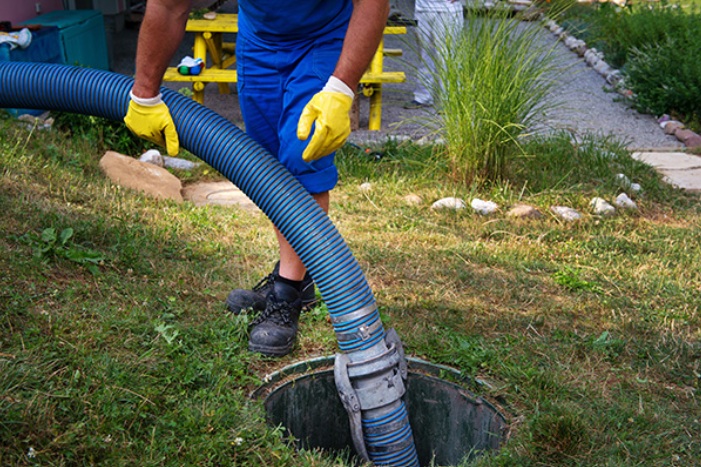
Picture the lid to your septic tank on a morning in late January. It is under four inches of frozen dirt, maybe a crust of snow, and nobody in the house remembers exactly where it is.
That is the day a lot of homeowners find out the tank is full. Calling for septic tank pumping in the Kansas City area or around Topeka in the dead of winter is possible, but it is slower, messier, and more stressful than it needs to be. A few weeks of planning in October or November avoids almost all of it.
Why is fall a good time to pump a septic tank?
Fall is a good time to pump because the ground is still soft enough to dig, the weather is mild enough to work in, and you get an empty tank going into the months when your system is hardest to reach.
Northeast Kansas winters are not gentle. When the ground freezes, uncovering a buried lid turns into real work, and a crew may need extra time just to get to it. Pumping in fall means that work happens on dry, unfrozen ground.
There is also the timing of how your household actually uses water. Most families spend more time indoors from November through February. More laundry. More showers. More dishes. A tank that starts winter empty has room for all of that.
How often should you pump your septic tank?
Most households should have their septic tank pumped every three to five years, according to the U.S. Environmental Protection Agency.
That range is wide on purpose. The EPA points to four things that move you up or down in it: how many people live in the house, how much wastewater you generate, how much solid waste goes into the system, and how big the tank is. A couple in a three-bedroom house with a large tank can stretch closer to five years. A family of six with a garbage disposal may need it every two or three.
A good rule of thumb is to pump when the tank is somewhere between a third and half full of solids. You cannot see that from the yard, which is why the EPA recommends having the system inspected at least every three years.
If you just bought the house and have no idea when it was last serviced, assume it is due. An inspection will tell you the tank size, where it sits, and how much is in it.
What happens if you wait until winter?
Waiting until winter usually means the job takes more effort, takes longer to schedule, and happens under pressure instead of on your calendar.
Frozen soil is the obvious problem. The less obvious one is that winter is a common time for backups anyway. Holiday guests, extra cooking, and long stretches indoors can put a lot more water through the system than a normal week. If the tank was already close to full in October, December is when it runs out of room.
And a backup in winter is unpleasant in its own special way. Wastewater coming up through a basement floor drain in January is not something anyone wants to deal with, especially with family in town.
How do holiday guests affect your septic system?
Holiday guests can put a lot of extra water through your septic system in a short time, and a tank that is already near capacity may not keep up.
The EPA estimates that indoor water use in a typical home can reach 70 gallons per person per day. Add four houseguests for a long weekend and you are pushing hundreds of extra gallons into the tank, along with heavier use of the garbage disposal and a lot more toilet flushing.
Grease is the other holiday hazard. Pan drippings and leftover gravy poured down the kitchen sink harden in your pipes and add to the scum layer in the tank. Wipe pans with a paper towel and throw it in the trash instead.
If you are hosting this year, a pump-out before Thanksgiving is the simplest insurance you can buy.
What should you do before the ground freezes?
Before the ground freezes, find your lid, get the tank pumped if it is due, and take a few minutes to look after the drain field.
A short checklist for October and November:
- Locate and mark the tank lid so it is easy to find in winter
- Rake leaves off the area around the lid and the drain field
- Fix any leaky faucets or running toilets, since the EPA says a single running toilet can waste up to 200 gallons a day
- Keep cars and trucks off the drain field, because the weight compacts soil and can damage pipes
- Space out laundry loads instead of running six on a Saturday
Leaves deserve a quick mention. A thick layer of wet leaves sitting on a drain field holds moisture and can slow how well the soil absorbs water. Clearing them off takes ten minutes.
If you have never had your system looked at, fall is also a smart time for that first inspection. Our crew can locate the tank, check its condition and contents, and tell you when the next service should be. That is especially useful for new owners who do not know the tank size or location yet.
For septic tank pumping or septic tank cleaning in Kansas City, Topeka, Lawrence, and the rural areas in between, Downing Septic has licensed, insured technicians who can get your tank emptied and ready for winter.
Do not wait for the first hard freeze. Schedule your fall septic pumping with Downing Septic or call 785-357-0046 to get on the calendar.