 We Are Hiring! Plumbers, CDL Drivers & Laborers



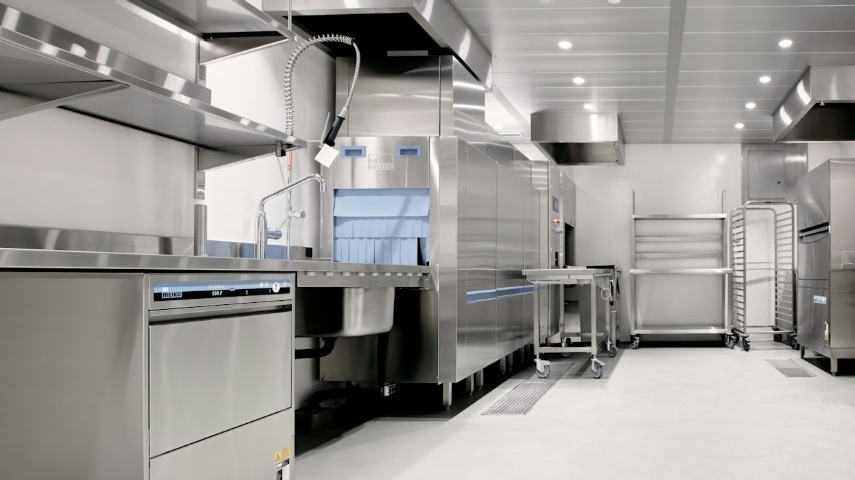
The floor drain by the dish machine gurgles on Thursday. By Saturday night there is an inch of gray water around the prep sinks, and the line cook is working in rubber boots.
Most restaurant owners book hydro jetting services after a night like that. The smarter move is to put it on the calendar before the drain gives you any warning at all. How often depends on your kitchen, and there is a fairly simple way to figure it out.
How often should a restaurant schedule hydro jetting?
Many restaurants do well jetting their kitchen lines once or twice a year, and busy fry or grill kitchens may need it every three to four months.
Treat that range as a starting point. A small café that mostly toasts bread and pulls espresso can stretch toward a full year. A barbecue joint pushing brisket and fried sides seven days a week will build up grease much faster.
The pattern we watch for is simple. If your drains start running slow a few weeks before each scheduled service, the interval is too long. Shorten it. If the camera shows clean pipe walls every time, you may be able to stretch it.
Why do restaurant drain lines clog so often?
Restaurant lines clog because grease cools inside the pipe and sticks to the walls, slowly closing the line from the outside in.
Hot water carries fats and oils away from the sink just fine. A few feet down the line, that water cools. The grease turns solid, coats the pipe, and catches food scraps, coffee grounds, and anything else that washes through. Each layer makes the next one easier to catch.
This is a big problem well beyond your building, too. In a report to Congress, the EPA found that grease is the most common cause of sewer blockages, behind 47 percent of the blockages with a known cause. Restaurants are a major source of it.
Winter makes it worse here in Northeast Kansas. Colder pipes cool the water faster, so grease firms up sooner and closer to your kitchen.
Does a grease trap mean you can skip jetting?
No. A grease trap catches most of the grease, but some of it still gets past, and the lines upstream of the trap are not protected at all.
The pipes running from your sinks and floor drains to the trap carry the warmest, greasiest water in the building. That is often where the worst buildup sits. A trap does nothing for that stretch.
Jetting and trap pumping work well together. We covered pumping schedules in our post on how often restaurants need grease trap pumping. If your trap is overdue, grease that should have been caught heads down the line instead, and your drains pay for it. Keep the trap on schedule and your jetting interval can stay longer.
What do hydro jetting services do that snaking can’t?
Hydro jetting services scrub the full inside of the pipe with high-pressure water, while a snake just punches a hole through the clog.
A snake works for a quick fix. It breaks up the blockage and gets water moving again. But the grease still lining the pipe walls stays put, and the line often clogs again within weeks.
A jetter sends water through a special nozzle at around 4,000 PSI. Some of the spray blasts forward to break up the clog. The rest shoots backward, scouring the pipe walls and pulling the nozzle along the line. When it is done, the pipe is close to its full original width.
We set the pressure and water volume to match your pipes, since size, material, and age all change the setup. Older cast iron gets a different setup than newer PVC. After jetting, we run a camera through the line so you can see the result for yourself and we can spot anything that needs a closer look.
How do you set the right schedule for your kitchen?
Start with a camera inspection and a cleaning, then let what the camera finds on the next visit tell you how long to wait.
A few things push your schedule toward more frequent service:
- Lots of frying or grilling
- Long hours or seven-day weeks
- Older cast iron lines with rough interiors
- A history of slow drains or backups
- A grease trap that runs close to full between pumpings
Write each service date down, along with what the camera showed. After two or three visits, you will know your kitchen’s real interval. That record also helps if a city inspector ever asks how you manage grease.
And put the work at a smart time. Jetting before your busy season, or before a holiday weekend, usually costs a lot less than an emergency call in the middle of service.
How do you choose a hydro jetting company in Topeka?
Choose a local team that can jet the line and pump your grease trap in one visit, with a camera check before they leave.
Typing “hydro jetting services near me” into your phone will pull up a long list. Ask each company whether they run a camera after jetting and whether they can pump your grease trap on the same schedule. Those two answers tell you a lot.
That is how we work at Downing Septic. We have been serving restaurants and commercial kitchens across Northeast Kansas for more than 20 years, and we can set a regular schedule so your kitchen never has to wait for a backup to get service.
If you landed here after searching for hydro jetting services near me because the drain is already slow, call us now. If things are flowing fine, call us anyway and get on a schedule. Request hydro jetting from Downing Septic or call 785-357-0046, and we will help you set a hydro jetting services plan that fits your kitchen.