

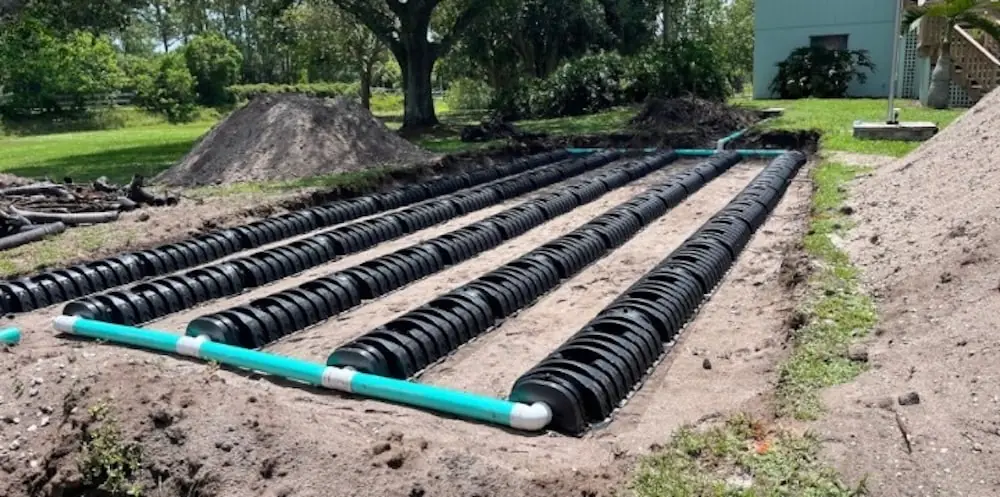
A drain field usually does not fail all at once. It gets worn down by habits that seem harmless until the yard stays wet, drains slow down, or wastewater stops moving the way it should. That is why homeowners looking into septic tank cleaning in Topeka are often dealing with more than routine maintenance.
They are trying to avoid the much bigger cost that comes when the field starts paying for years of quiet neglect.
The expensive part is that most drain field damage starts upstream. A full tank, too much water use, compaction over the field, bad drain habits, or ignored warning signs can all shorten the life of a system that still seems to be working. Catching those problems early can mean the difference between routine service and a much more disruptive repair.
What quietly kills a septic drain field?
The biggest drain field killers are usually overload, neglect, and pressure on the soil. A drain field depends on wastewater moving out at the right pace through soil that can still do its job.
Once that balance gets disrupted, the field starts wearing down in ways most homeowners do not notice until the symptoms get harder to ignore.
1. Waiting too long to pump the tank
This is one of the most common ways homeowners create downstream trouble. When solids build up too long, the whole system has to work harder, and the drain field ends up taking stress it was never meant to carry.
We emphasize regular pumping because it helps protect the entire septic system, not just the tank itself. Downing Septic’s service pages and homeowner guide both frame routine pumping as part of keeping the system efficient and avoiding costly repairs.
2. Using too much water too fast
A septic system can struggle even when nothing is technically “wrong” with the equipment. Long laundry days, heavy guest use, or repeated high-volume water use can overload the field and reduce its ability to process wastewater properly.
The issue is not just what goes down the drain. It is how much arrives and how quickly it gets there. When homeowners ask us about early field stress, water volume is often part of the conversation.
3. Driving or parking over the drain field
Compacted soil is bad news for a drain field. Once the ground above the field gets compressed by vehicles or heavy equipment, wastewater has a harder time moving and dispersing the way it should.
This is one of those property habits that feels minor until it is not. A field that cannot breathe and drain properly starts losing margin fast.
4. Letting roots and landscaping creep too close
Roots do what roots do. They go where moisture and opportunity meet. Trees, large shrubs, and poor landscaping choices can quietly create trouble around septic components and the field itself.
Homeowners often focus on the visible yard, but underground interference is part of what makes drain field problems so frustrating. It stays hidden until performance changes.
5. Ignoring the early warning signs
Slow drains, odors, soggy spots, or wastewater backing up are not “watch it and see” symptoms for very long. Downing Septic’s blog specifically points to signs like slow drains and soggy lawn areas as early indicators that something is going wrong. Once the yard starts showing the issue, the problem has often moved past the stage where a homeowner can safely pretend it is minor.
Can routine pumping really help protect the drain field?
Yes, because pumping is really about protecting the field upstream. A drain field lasts longer when the tank is maintained before solids and stress spill into the rest of the system.
That is one reason homeowners searching for septic tank cleaning in Topeka should not think of pumping as a chore or a one-off service call. It is one of the lower-cost ways to reduce the chance of much bigger septic trouble later.
We handle pumping, cleaning, and related service across Northeast Kansas communities including Topeka, Olathe, Lawrence, and nearby areas, which helps homeowners stay ahead of these problems before they turn into emergencies.
What should you do first if you think the field is under stress?
Start with the system, not the guess. Look at the warning signs you are seeing, think about how long it has been since the tank was pumped, and pay attention to whether the issue is getting more obvious.
Many people type “septic tank pumping near me” when the yard gets wet or the drains get slow, but that search is usually the start of a bigger question: is the system overdue for maintenance, or is the field already showing strain? We can help sort that out with service that is focused on prevention as much as response.
Final thoughts
Drain fields usually get damaged slowly, then expensively. The smart move is to act while the problem still looks boring. Regular pumping, better property habits, and faster response to warning signs all buy time for the part of the system that is hardest and most expensive to replace.
If you are trying to protect your system with septic tank cleaning in Topeka, contact us here to schedule service with Downing Septic.