

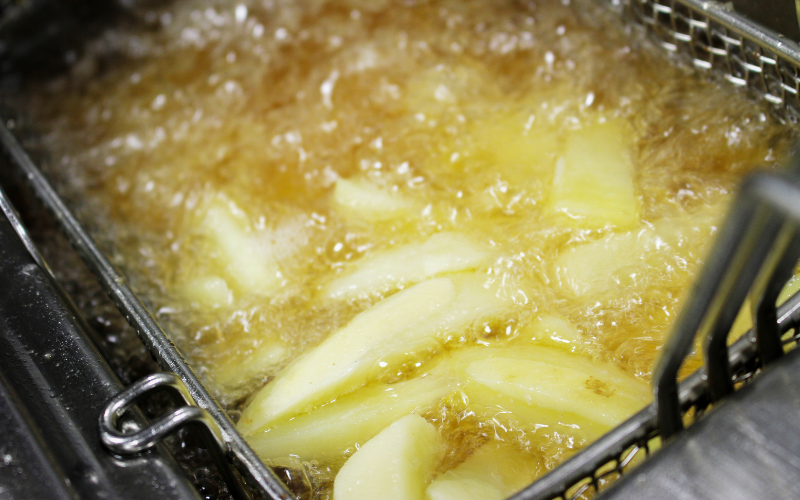
If your holding tank suddenly seems to “fill up overnight,” grease is often the hidden driver. Fats, oils, and grease don’t stay liquid for long. They cool, thicken, and stick to pipes and inside the tank, where they trap other debris.
The result is less usable capacity, stronger odors, and pump-outs that feel more frequent than your water use would suggest.
The real cost shows up when you go reactive. Most people wait until a slow drain becomes a backup, or until odors turn into an overflow scare. That’s when you’re paying for urgency, losing time, and dealing with avoidable mess. A few kitchen habit changes plus a smarter service schedule can keep the system predictable.
Why does grease make a holding tank fill faster?
Grease changes what “fills” a holding tank. Water moves quickly, but grease separates, cools, and forms a sticky layer that catches food particles and soap scum. That thicker sludge takes up space sooner, so the tank reaches its limit faster even if your daily water use hasn’t changed.
Is your holding tank actually full, or is grease slowing the kitchen line?
A tank can feel “full” when the kitchen line is restricted. Grease buildup narrows the pipe, slows drainage, and creates odors that make it seem like the tank is the only issue. If pumping helps briefly and the symptoms return, assume the line is part of the problem.
Common clues include:
- Slow kitchen sink with gurgling after hot water
- Odors that start near the kitchen drain
- Recurring backups after heavy cooking or gatherings
What should never go down the drain with a holding tank?
If you want fewer emergencies, keep “sticky solids” out of the system:
- Cooking oil and greasy pan drippings
- Food scraps (especially rice, pasta, and coffee grounds)
- “Flushable” wipes and paper towels
- Harsh chemicals or solvents that create unsafe conditions in the tank
A simple rule works: only wastewater should go down the drain. Anything that can congeal, swell, or clump belongs in the trash.
How often should a holding tank be pumped?
Holding tanks don’t treat waste, they store it, so frequency depends on tank size, occupants, and kitchen habits. Use signals, not guesswork.
Schedule service if odors are getting stronger, drains are slowing in a repeating pattern, or you’re seeing any hint of backup. Starting with a baseline pump-out and tracking how quickly warning signs return is usually cheaper than waiting for the next crisis.
Questions to ask before you schedule
To get a plan that fits your property, ask what information the provider needs (tank size, access location, recent symptoms), whether they handle urgent situations, and what warning signs should trigger an earlier visit.
Also ask what you can do between pump-outs to keep grease from turning into recurring clogs.
What should you do with cooking oil instead of the sink?
Small routines prevent big problems:
- Let oil cool, pour it into a container, and discard it
- Wipe greasy pans with a paper towel before washing
- Scrape plates into the trash before rinsing
- Use a sink strainer to catch bits that would settle into sludge
When is it time to call for service?
Active backups or indoor sewage smell are urgent. Early warning signs are preventable. Many people type “holding tank pumping near me” only after things turn stressful, but calling earlier usually means better scheduling options and less risk of overflow.
If pumping recently didn’t break the cycle, grease may be restricting the line to the tank. That’s a pattern worth addressing, not repeating.
Holding tank pumping: what changes when you cut grease?
When you keep grease out of the drains, two things usually improve quickly: the tank stays usable longer, and the kitchen line is less likely to choke down into a repeating slow-drain problem.
That doesn’t eliminate the need for routine service, but it often turns pumping back into planned maintenance instead of an emergency reaction.
How Downing Septic helps you stay ahead of backups
At Downing Septic, we serve homeowners and businesses around Topeka and across northeast Kansas, including grease trap and interceptor work alongside tank services. We’re licensed and insured, and we offer round-the-clock availability for situations that can’t wait.
We focus on practical outcomes: fewer surprises, fewer repeat emergencies, and a clear plan based on how your property actually uses water and the kitchen. If you’re scheduling pump-outs more often than you used to, we can help you reset the baseline and stay ahead of the next backup.
Conclusion: stop paying for surprises
Grease and kitchen waste don’t just add volume. They steal capacity, slow drainage, and turn routine maintenance into urgent disruption. Keep grease out of the drains, watch for early warning signs, and schedule service before the next backup forces your hand.
If you’re ready to stop the cycle and want local help, reach out to Downing Septic for your quote.